Figuring out what to eat in Ho Chi Minh City can feel overwhelming, and that is a good problem to have. This is one of the great street-food cities of the world, where a plastic stool on the pavement often serves better food than a white-tablecloth restaurant. Southern Vietnamese cooking leans bright, fresh and a little sweeter than the north, built around herbs, fish sauce, rice and grilled meat. Layer on more than a century of Chinese influence from the Cholon district, and you get a city where you could eat somewhere new every meal for a month. Here is the shortlist a first-timer should not miss.
The Vietnamese Dishes You Have to Try
Phở (Noodle Soup)
Vietnam's most famous dish for a reason. Phở is a clear, aromatic beef or chicken broth simmered for hours with charred ginger, onion and spices like star anise and cinnamon, poured over flat rice noodles. Southern-style phở tends to come with a generous side plate of bean sprouts, Thai basil, lime and chilli so you can season it yourself. Order phở bò (beef) or phở gà (chicken), and eat it for breakfast like the locals do.
Bánh Mì (Vietnamese Sandwich)
The single best cheap meal in the city. A crackly, airy baguette (a legacy of the French) is filled with pate, cold cuts or grilled pork, pickled carrot and daikon, cucumber, coriander, chilli and a swipe of mayonnaise. It is the perfect handheld breakfast or between-sight snack, and rarely costs more than a coffee. Look for a busy street cart with a fast turnover.
Cơm Tấm (Broken Rice)
A true Saigon signature. Cơm tấm is a plate of "broken" rice grains topped with a grilled pork chop marinated in lemongrass and sugar, often with a savoury steamed egg meatloaf, shredded pork skin, pickles and a little bowl of sweet fish-sauce dressing to pour over. Filling, cheap and deeply satisfying, it is what many locals eat for lunch.
Bún Thịt Nướng (Grilled Pork with Noodles)
If you want something lighter, this is it. A bowl of cool rice vermicelli is topped with smoky grilled pork, fresh herbs, cucumber, pickles and crushed peanuts, then dressed with nước chấm, the sweet-sour-salty fish sauce that defines southern cooking. You toss everything together yourself. Refreshing in the heat and endlessly moreish.
Gỏi Cuốn (Fresh Spring Rolls)
Not to be confused with the fried kind, gỏi cuốn are soft rice-paper rolls packed with prawn, pork, vermicelli and herbs, served cold with a thick peanut dipping sauce. Clean, light and a great introduction to Vietnamese flavours if you are wary of the more adventurous options.
Cà Phê Sữa Đá (Iced Milk Coffee)
Not a dish, but non-negotiable. Vietnam is one of the world's largest coffee producers, and its robusta beans make a coffee that is dark, intense and almost chocolatey. Cà phê sữa đá drips slowly through a small metal filter onto a layer of sweetened condensed milk, then gets stirred over ice. Sweet, strong and the perfect antidote to the afternoon heat. Ask for an egg coffee if you want a richer, custardy twist.
The Chinese Heritage: Cholon and Dim Sum
Here is the part many first-timers miss. Ho Chi Minh City has one of the oldest and largest Chinatowns in the world, known as Cholon (Chợ Lớn, literally "big market"), spread across Districts 5 and 6. Waves of Chinese migrants, many of them Cantonese and Teochew, settled here over centuries and brought their temples, medicine shops and, crucially, their food. Wandering Cholon is one of the city's best food adventures, from roast-duck and char siu (barbecue pork) shops to herbal soups and, of course, dim sum.
Dim sum in Saigon is a genuine tradition, not a novelty. You will find teahouse-style spreads of steamers filled with har gow (prawn dumplings), siu mai (pork dumplings), barbecue-pork buns and rice-noodle rolls, all shared over pots of hot tea. It makes a brilliant group breakfast or weekend brunch.
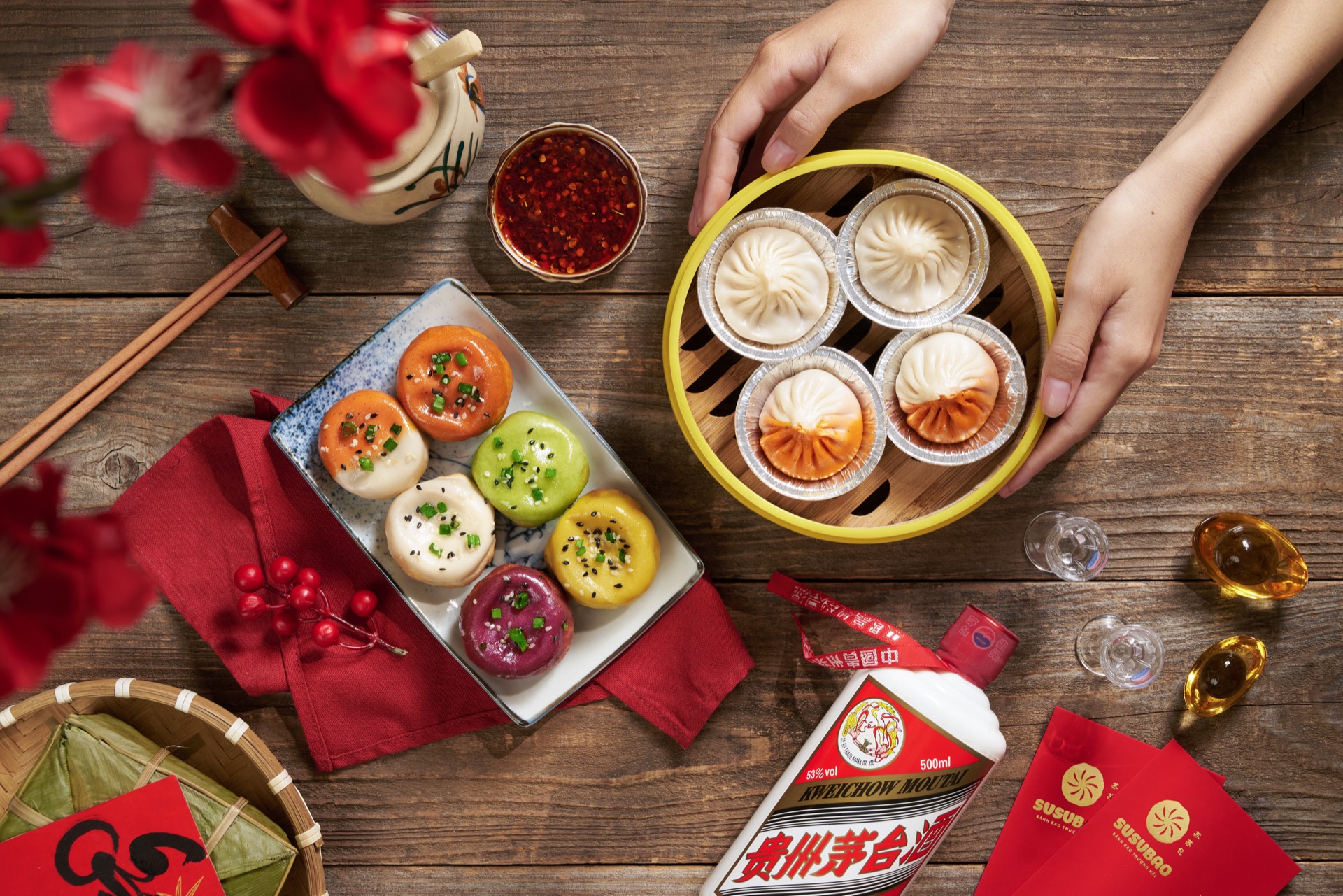
The Chinese story here goes beyond Cantonese cooking. Eastern Chinese, Shanghai-style dumplings and buns have their own devoted following, and this is exactly where SuSuBao fits in. Founded by a Shanghai-born chef and hand-making everything fresh daily since 2021, SuSuBao specialises in sheng jian bao, the pan-fried Shanghai soup bun with a crisp, golden bottom and a burst of hot broth inside, alongside a full menu of dim sum. It is a taste of Shanghai in the middle of Saigon. You will find them at 167-167A Nguyen Thi Minh Khai in District 1, and at 256 Phan Xich Long in Phu Nhuan, both easy stops if you want to try Shanghai dumplings without heading all the way to Cholon.
Where to Eat: Neighbourhood Tips
- District 1 — The tourist heart of the city, walkable and packed with everything from street carts to sit-down restaurants. Great for your first phở, bánh mì and coffee, and where SuSuBao's central branch sits on Nguyen Thi Minh Khai.
- Ben Thanh Market — The famous covered market in District 1. Convenient for a quick, varied lunch at the food stalls, though prices skew higher and you should agree on a price before ordering. Good for grazing across several dishes in one go.
- Cholon (Districts 5 and 6) — The historic Chinatown and the place to go for dim sum, roast meats and a completely different pace from the centre. Combine a food crawl with the temples and the wholesale markets.
- Phu Nhuan — A more local, residential district just north of the centre, and home to Phan Xich Long, a street famous among Saigonese for eating and drinking. Less touristy, more everyday-Saigon.
A Few Practical Tips
Eat where the crowds are, especially crowds of locals, as high turnover means fresh food. Don't fear the plastic stools. Carry small cash notes for street stalls. And pace yourself: the joy of eating in Ho Chi Minh City is grazing across many small meals rather than one big sit-down. Come hungry and stay curious.
Ready to plan your eating? See our guide to the best dim sum in Ho Chi Minh City, learn what makes a sheng jian bao special, or browse the full menu to start planning your visit.