Some of the most beloved things you will eat in Ho Chi Minh City did not begin as Vietnamese food at all. The bowl of hủ tiếu at your street corner, the glossy red pork in your bánh mì, the trolley of steaming dumplings at a Sunday lunch, all of it traces back to generations of Chinese cooks who made Saigon home. If you are looking for great Chinese food in Ho Chi Minh City, the story starts in one remarkable neighbourhood, and it is worth knowing before you take your first bite.
Cholon: The Largest Chinatown in Vietnam
Cross the canal into District 5 and you arrive in Cholon (Chợ Lớn, meaning "big market"), the largest Chinatown in Vietnam and one of the oldest in the world. Chinese traders and refugees began settling in the area in the late 1600s, and successive waves arrived over the following centuries, many of them Cantonese, Teochew, Hokkien and Hakka people from southern China. They came with their dialects, their temples, their clan associations and, crucially, their kitchens.
Cholon grew into a dense, humming district of wholesale markets, herbal pharmacies, gilded temples and, above all, food. Walk its streets today and you still find roast-meat shops with ducks hanging in the window, noodle stalls that have run for generations, and bakeries turning out moon cakes and flaky pastries. Cholon is not a tourist re-creation of Chinatown; it is a living community that has shaped how the whole city eats.
What Cholon Gave Saigon
The Chinese-Vietnamese kitchen has quietly become part of everyday Saigon life. Many dishes locals think of as simply "Vietnamese" carry Chinese roots, adapted over the years to southern tastes and ingredients. A few you will meet almost everywhere:
- Hủ tiếu: a clear, sweet pork-bone noodle soup brought by Teochew and other southern Chinese settlers. It comes in countless versions, from soupy to "dry" with the broth on the side, and it is one of the city's great breakfasts.
- Xá xíu: the Vietnamese name for Cantonese char siu, sweet-savoury barbecue pork with its signature red edge. You will find it sliced over rice, tucked into bánh mì, and folded into noodles.
- Wonton noodles (mì hoành thánh): springy egg noodles with plump pork-and-shrimp wontons, a Cantonese classic that settled comfortably into Saigon.
- Roast meats (xá xíu, heo quay, vịt quay): the barbecue pork, crispy roast pork and roast duck that hang in Cholon shop windows and anchor a plate of rice.
- Dim sum (điểm tâm): the weekend ritual of small steamed and fried dishes shared over tea, from dumplings to buns to rice-noodle rolls.
These dishes are so woven into daily life that most people never stop to think of them as "Chinese food." That is exactly the point: Cholon did not stay in Cholon. It fed the whole city.
Cantonese vs Shanghai: Two Different Kitchens
Here is where many travellers get pleasantly confused. "Chinese food" is not one cuisine but dozens of regional ones, and the two styles you are most likely to encounter in Vietnam come from very different parts of the country.
The Chinese food you find across Cholon is overwhelmingly southern, and largely Cantonese in character. Cantonese cooking prizes freshness, gentle seasoning and technique that lets the natural flavour of an ingredient shine. Think steamed fish, clear broths, delicate dumplings, honeyed roast meats and the classic dim sum spread. It is the style that shaped Saigon's noodle soups and roast-meat shops, and for most of the city it simply is what "Chinese food" tastes like.
Shanghai cooking, from the eastern coast around the Yangtze delta, is a different world. It tends to be richer and a touch sweeter, fond of soy, sugar and rice wine, and famous for its dumplings and buns. This is the home of soup dumplings and pan-fried buns rather than the Cantonese trolley classics. Where a Cantonese kitchen might steam, a Shanghai kitchen loves to braise until glossy or pan-fry until crisp. Both are wonderful; they are just answering different questions.
Where the Shanghai Style Fits In
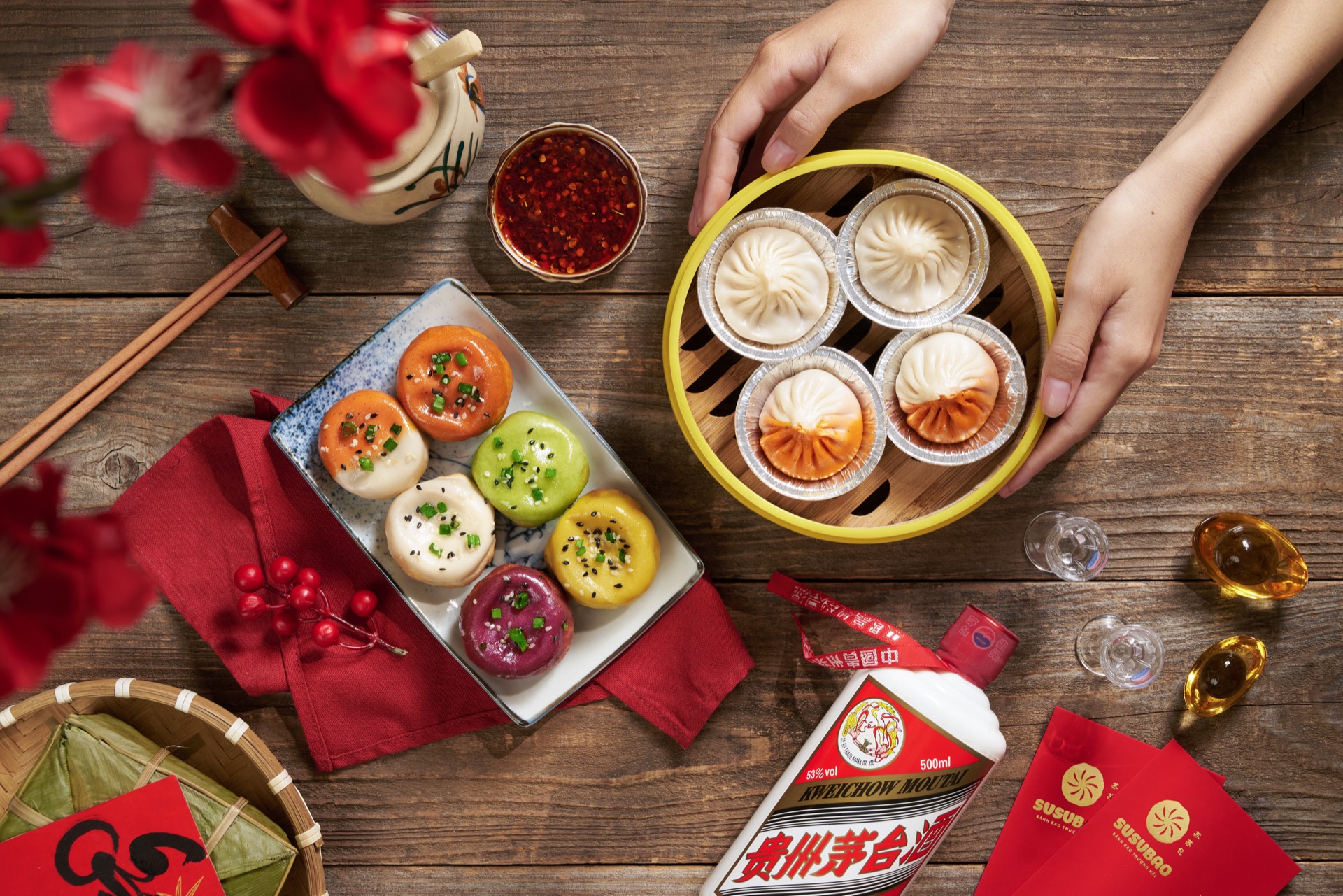
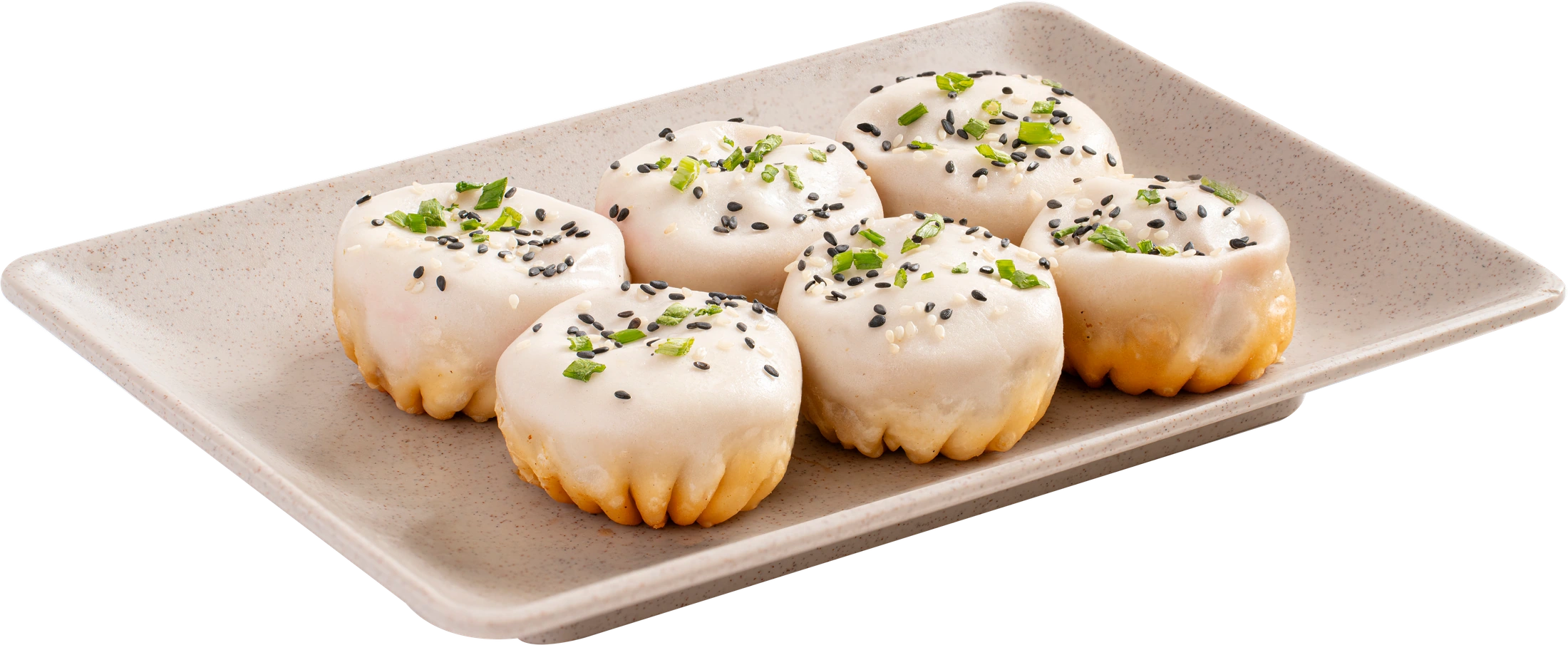
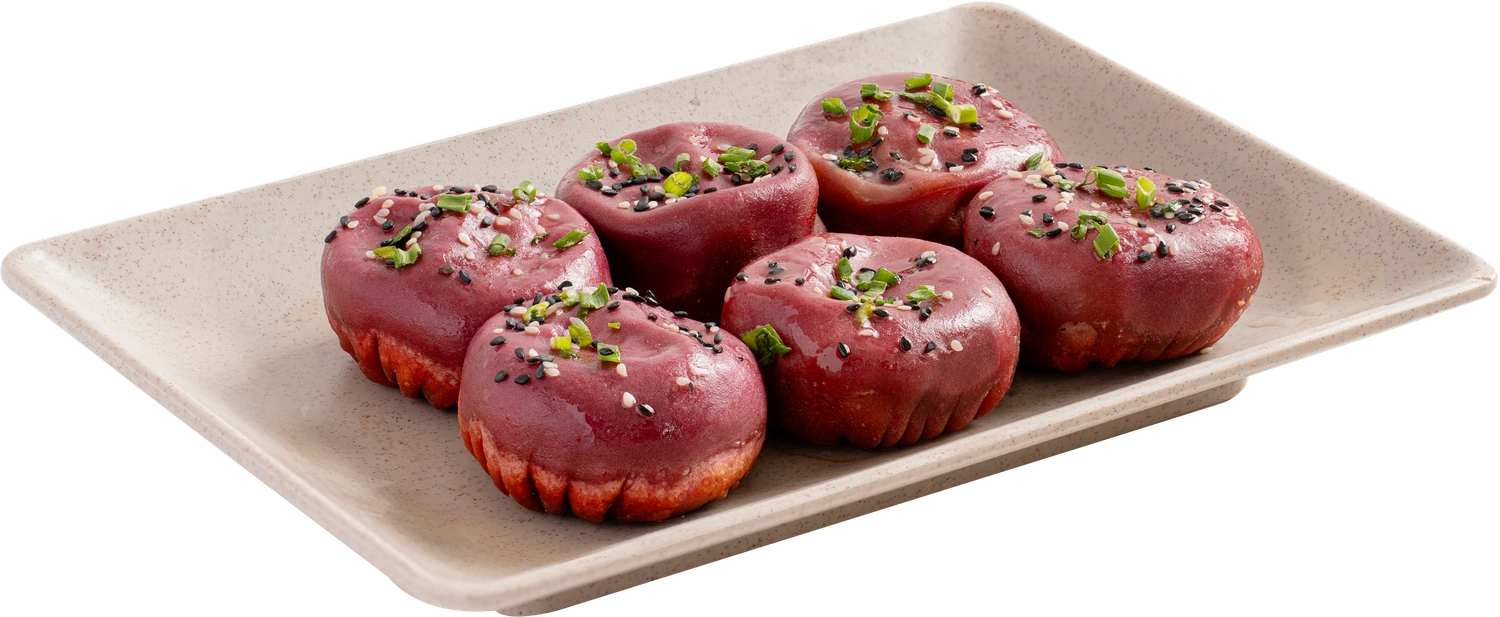
Because Saigon's Chinese food heritage leans Cantonese, the Shanghai style is the one most travellers have never tried here, and that is what makes it worth seeking out. The star is sheng jian bao, a pan-fried pork bun with a soft, doughy top, a crisp golden bottom and a mouthful of hot soupy filling inside. It sits somewhere between a dumpling and a bun, and it is a genuine Shanghai breakfast icon.
Alongside it comes a table of Shanghai and eastern-Chinese dim sum: soup dumplings, steamed buns, and small plates meant for sharing over tea. If you have already worked your way through Cholon's Cantonese classics, the Shanghai table is the natural next chapter in your Chinese-food education in this city.
Where to Try the Shanghai Style
SuSuBao is a Shanghai-style bun and dim sum house, led by a Shanghai-born founder and hand-making its dishes fresh every day since 2021. We specialise in Shanghai sheng jian bao and dim sum, the eastern-Chinese style you will not easily find among Cholon's Cantonese kitchens. In Ho Chi Minh City you can find us at 167-167A Nguyen Thi Minh Khai in District 1 and in Phu Nhuan, so the Shanghai table is an easy detour from wherever your Saigon food day takes you.
To plan your visit, read more on our Chinese restaurant page, browse the full menu, or simply come hungry. Saigon's Chinese food story is centuries deep; the best way to understand it is one bun at a time.