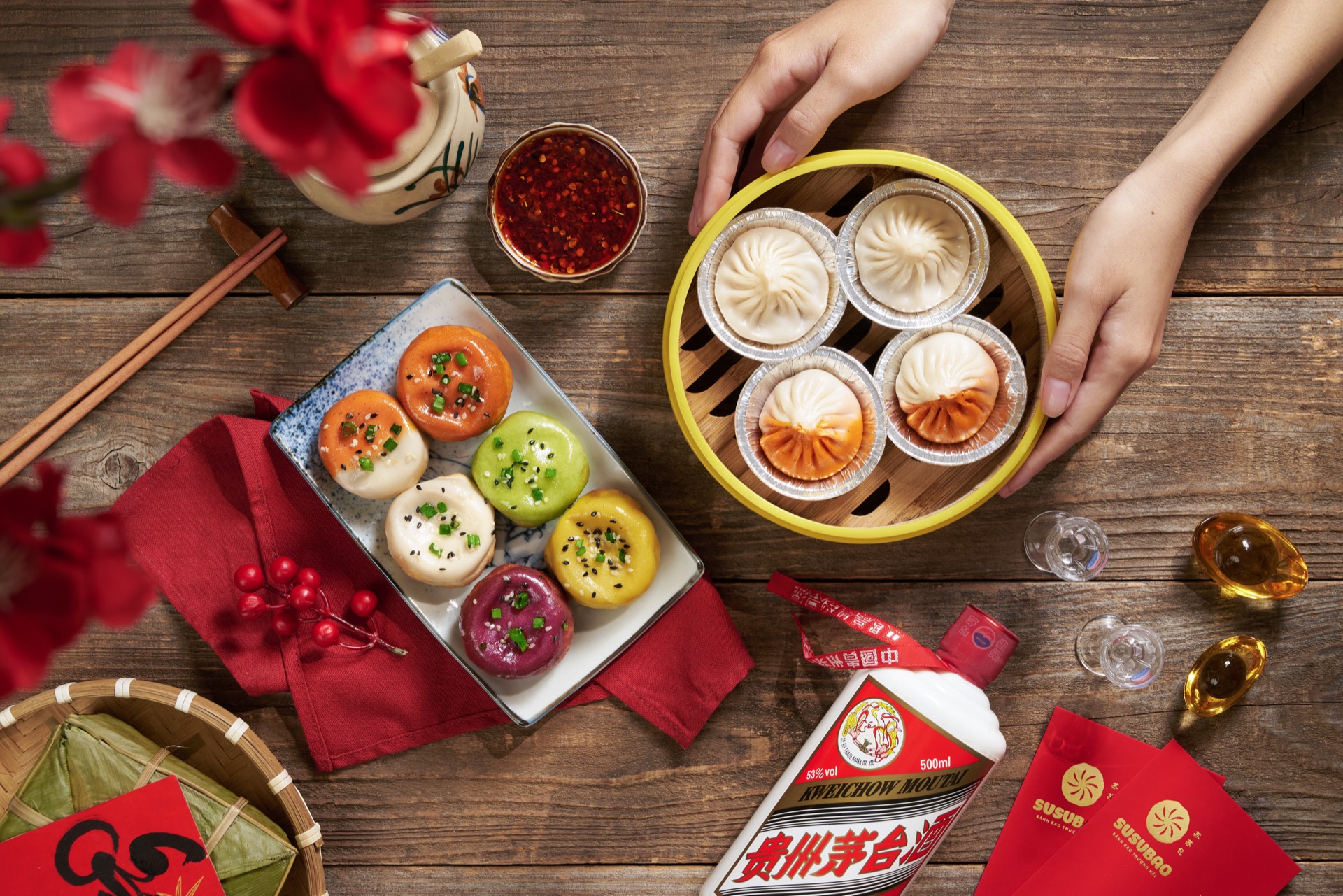
Walking into a busy dim sum hall for the first time can feel like stepping into a language you almost speak. Steam rises from stacked bamboo baskets, tea flows constantly, and everyone around the table seems to know an unspoken set of rules. Good news: dim sum etiquette is warm, forgiving and genuinely easy to pick up once someone shows you how. This guide walks you through the traditions of yum cha so you can order, share and eat with the quiet confidence of a regular.
Yum Cha: The Tradition Behind the Table
Dim sum is the food; yum cha is the ritual. The phrase literally means "drink tea," and that tells you where the heart of the meal really is. For generations, families and friends across southern China and beyond have gathered over pots of tea and small plates, often for hours, catching up between bites. The food is meant to be leisurely and communal, ordered in rounds rather than all at once. There is no rush and no single "main" dish. You order a few baskets, talk, pour more tea, and order a few more.
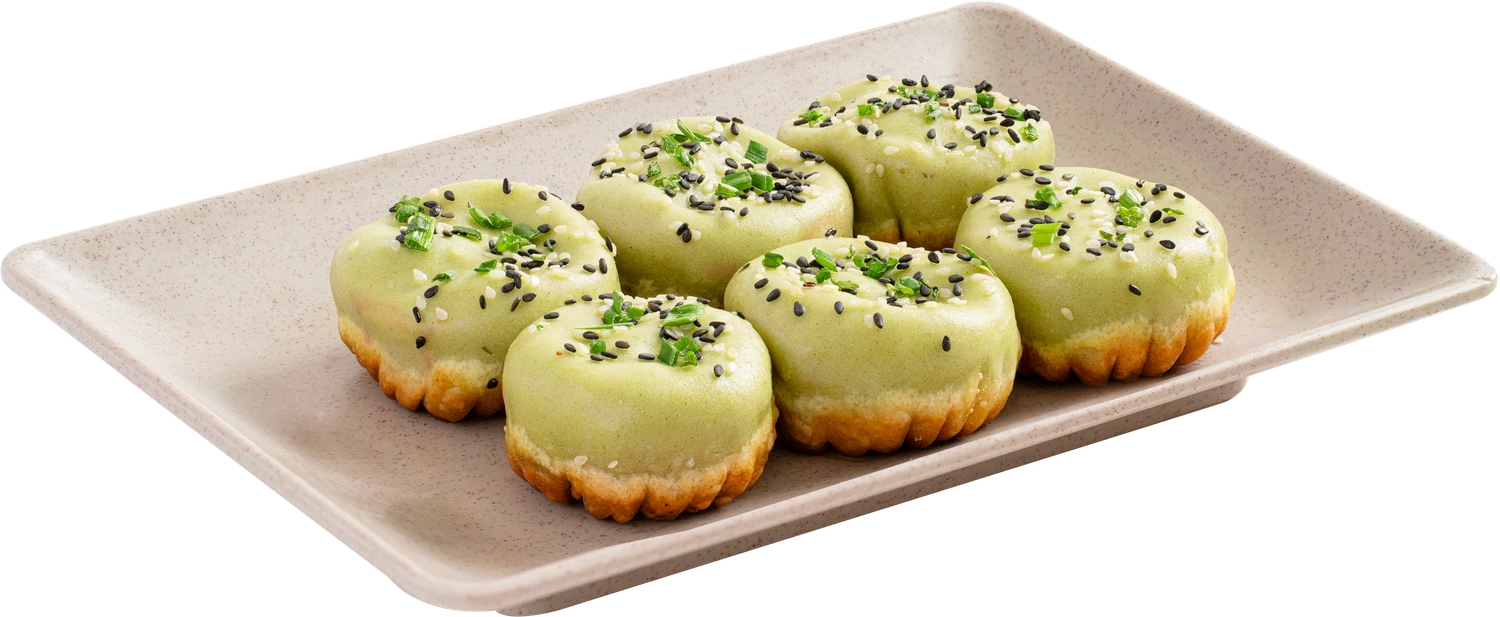
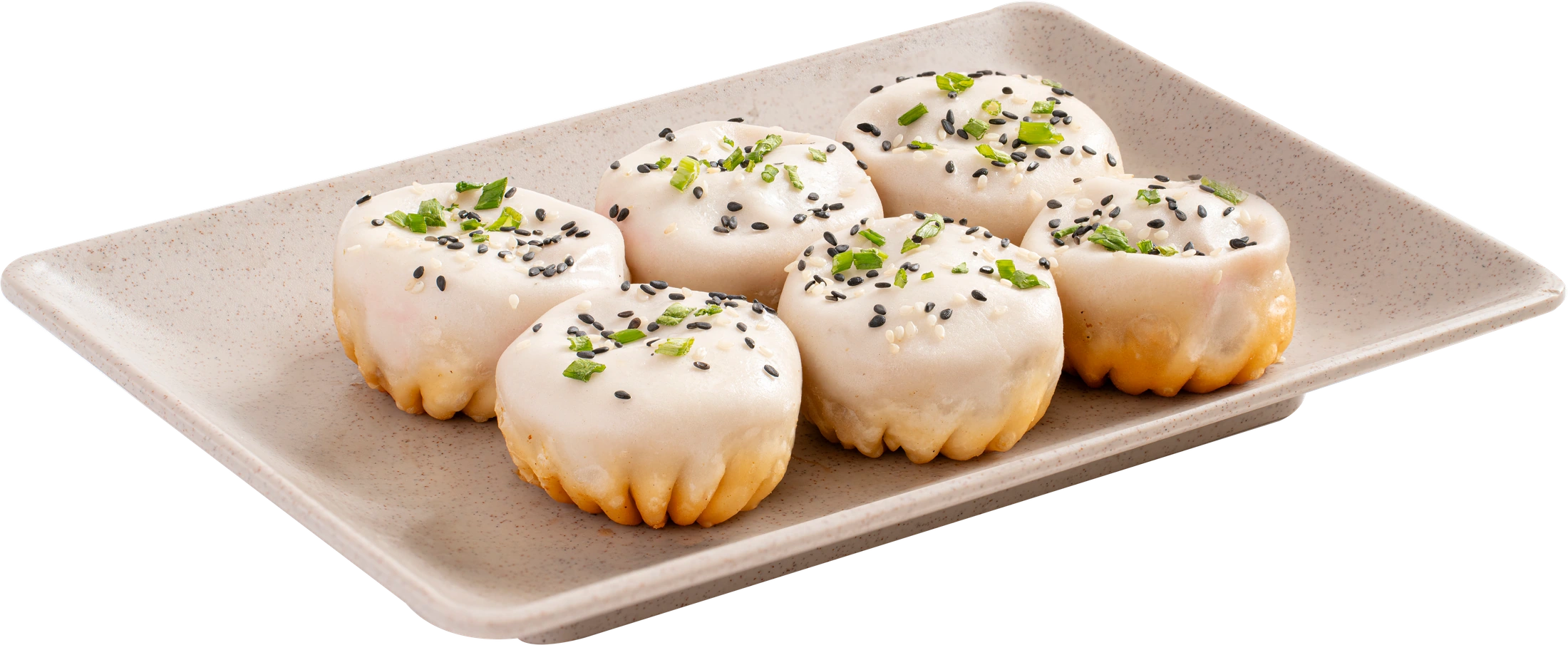
At SuSuBao, our dumplings and buns are hand-made fresh every day, a practice our Shanghai-born founder has kept since we opened in 2021. That means the kitchen works in small, steady batches, so ordering in rounds fits the food perfectly. If you want to see the full spread before you go, browse our dim sum menu and plan a first round.
Tea Manners: The Finger Tap and the Lid Trick
Tea is where the loveliest customs live. The first is kou shou li, the finger-tap thank-you. When someone refills your cup, gently tap the table two or three times with your index and middle fingers, knuckles down. It is a silent "thank you" that lets the conversation continue uninterrupted. The gesture is said to come from an emperor who traveled in disguise; his companions couldn't bow without revealing him, so they bowed with their fingers instead.
- Pour for others first. Never fill your own cup while others sit empty. Serve the people around you, starting with the eldest, and someone will return the favor for you.
- Lid ajar means refill. When your teapot runs dry, rest the lid slightly open or tilt it off to one side and set it on top. Staff read this instantly and bring hot water without you having to flag anyone down.
- Tap to thank. Whenever your cup is topped up, give the two-finger tap. It quickly becomes second nature.
Ordering and Sharing Like a Regular
Traditional dim sum menus grade many dishes by size: small, medium, large and "special." That grading is really about price and portion, and it helps the table balance the order. A good rhythm is to start with a couple of classics everyone loves, then add more adventurous plates in later rounds. Order roughly one basket per person to begin, since each basket usually holds three or four pieces meant to be split.
Everything is shared. Dishes land in the center of the table and stay there; nothing is "yours" alone. Use the serving chopsticks or spoon if they are provided, and take from the side of the plate nearest you. If you are hosting or dining with locals, offering the last piece to someone else rather than claiming it is a small, appreciated courtesy. Not sure where to start in Vietnam? Our guide to the best dim sum in Ho Chi Minh City points you to crowd-pleasers worth building a first round around.
Chopsticks, Small Courtesies and Tipping
Chopstick manners are simple once you know the two big ones. Never stand your chopsticks upright in a bowl of rice; that image echoes incense at a funeral and reads as unlucky. And don't pass food chopstick-to-chopstick with another person, for the same reason. Between bites, lay your chopsticks flat across your bowl or on the rest, not sticking out.
- Take modest amounts and finish what you take; grabbing a huge pile at once looks greedy.
- Try a little of everything, even the unfamiliar plates. Enthusiasm is the best table manner there is.
- Keep noise and elbows in check, but don't be stiff. Yum cha is meant to be lively.
Tipping is not a strong tradition in Chinese dim sum culture, and in Vietnam it is appreciated but never expected. Rounding up the bill or leaving a small amount for warm service is a kind gesture and entirely optional. When you're ready to plan a visit, our full menu covers everything from classic buns to seasonal specials. Come hungry, pour for your neighbor, tap your thanks, and enjoy the unhurried pleasure of the table.