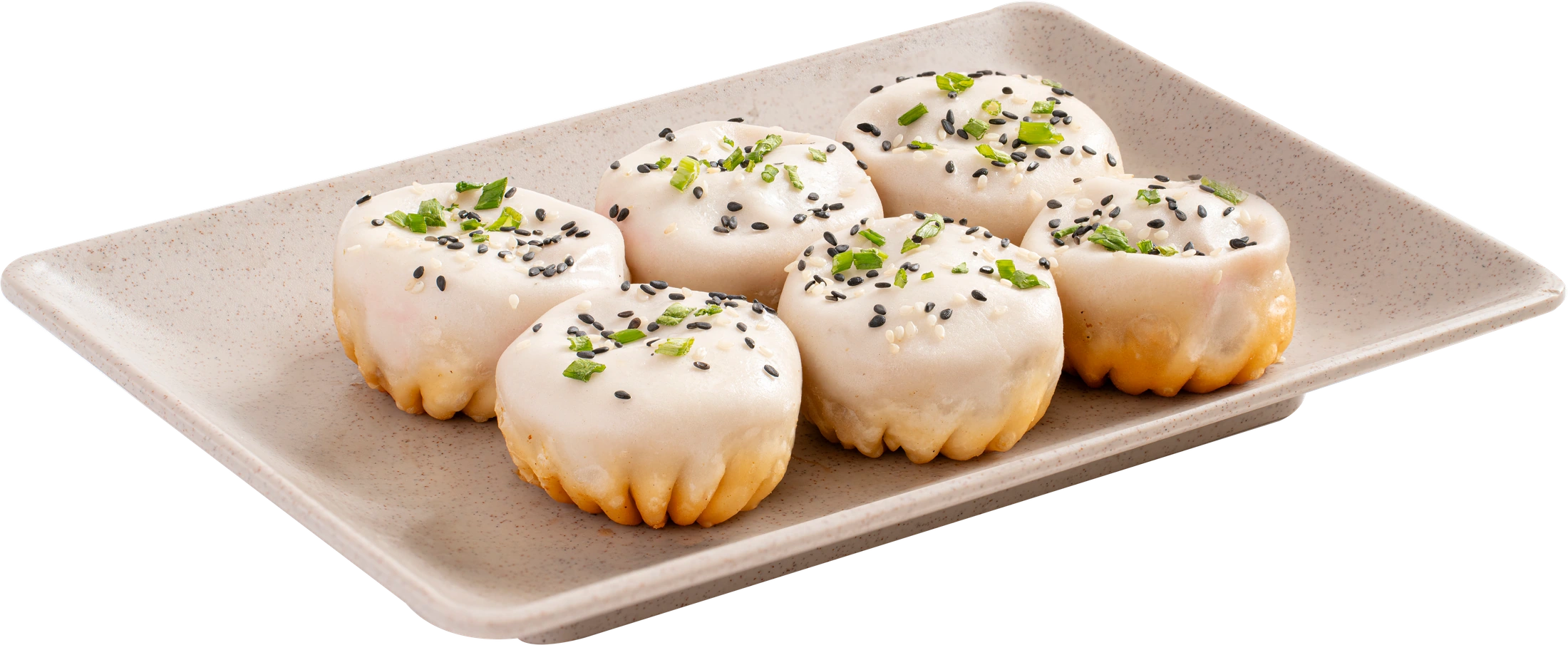
If you've ever stared at a Shanghai dim sum menu and wondered why two little soup-filled buns cost the same but look completely different, you're in the right place. The sheng jian bao vs xiao long bao question is one we hear across our tables every week, and the short answer is that both come from Shanghai, both hide hot soup inside, and yet they are made in almost opposite ways. One is steamed and delicate; the other is pan-fried and hearty. Let's break it down so you know exactly what you're ordering.
Where they come from
Here's the fun part: these two are hometown rivals. Both xiao long bao and sheng jian bao were born in the Shanghai region, and both are proudly part of the Jiangnan soup-dumpling tradition. Xiao long bao (小笼包, "little basket bun") is the older, more famous export you've probably seen photographed a thousand times. Sheng jian bao (生煌包, "raw pan-fried bun") is the beloved breakfast-and-snack cousin that locals grab hot off the griddle. As a Shanghai-born kitchen, we make both by hand every day, and we love that they show two sides of the same city.
The dough is the real dividing line
The biggest difference isn't the filling — it's the wrapper. Xiao long bao uses a thin, unleavened dough, rolled almost translucent so the skin all but disappears against the soup inside. It's steamed gently, so it stays soft, silky, and slightly chewy. Sheng jian bao goes the other way: a leavened, yeasted dough that rises into something fluffy and bread-like, then gets pan-fried so the bottom turns golden and crackly-crisp while the top stays pillowy. Bite for bite, xiao long bao is elegant and slippery; sheng jian bao is substantial and satisfying, with that irresistible fried crunch. If you tend to prefer a lighter, more refined bite, xiao long bao is your bun. If you love contrast and a bit of chew, sheng jian bao wins hands down.
Cooking method and size
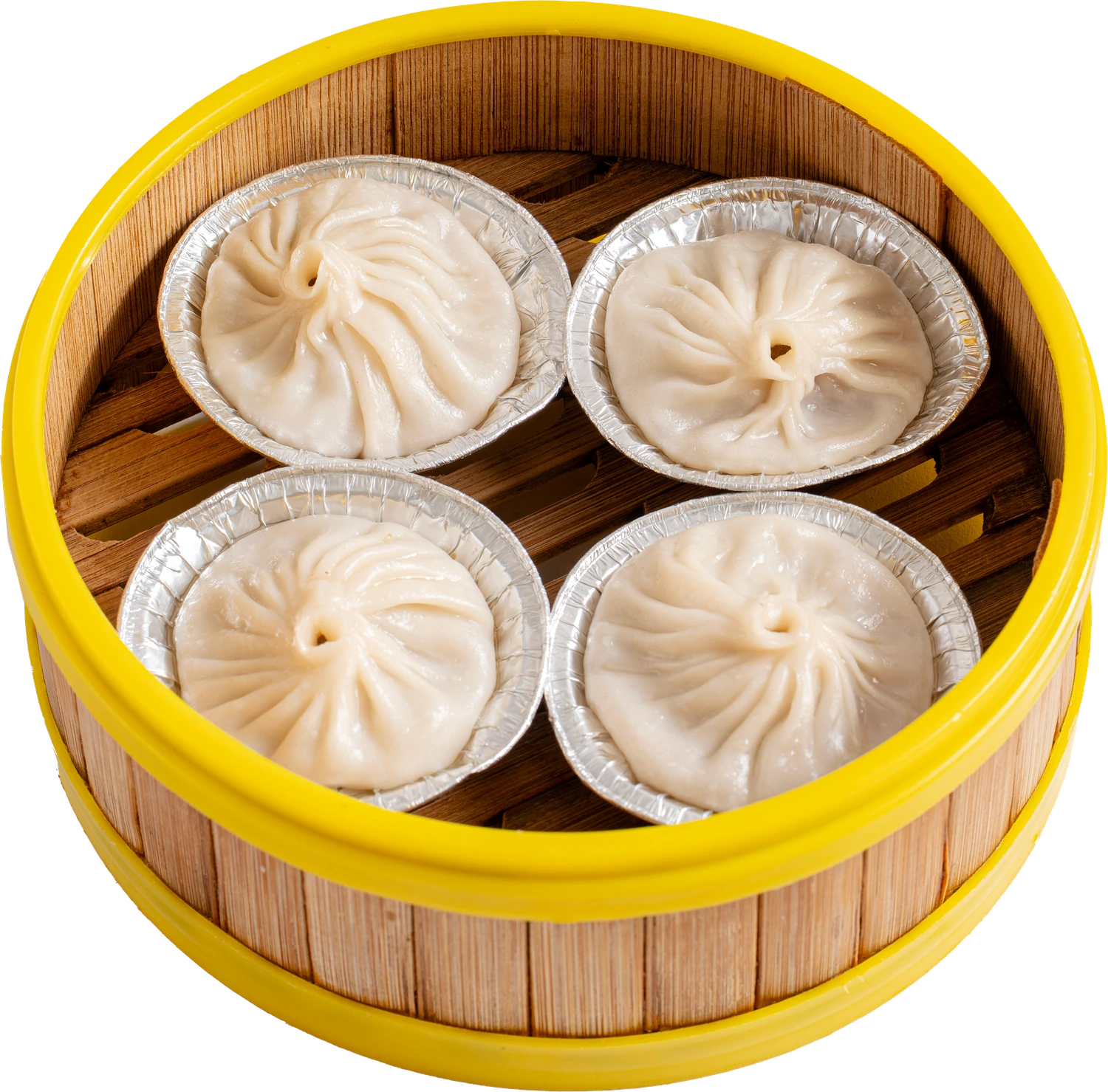
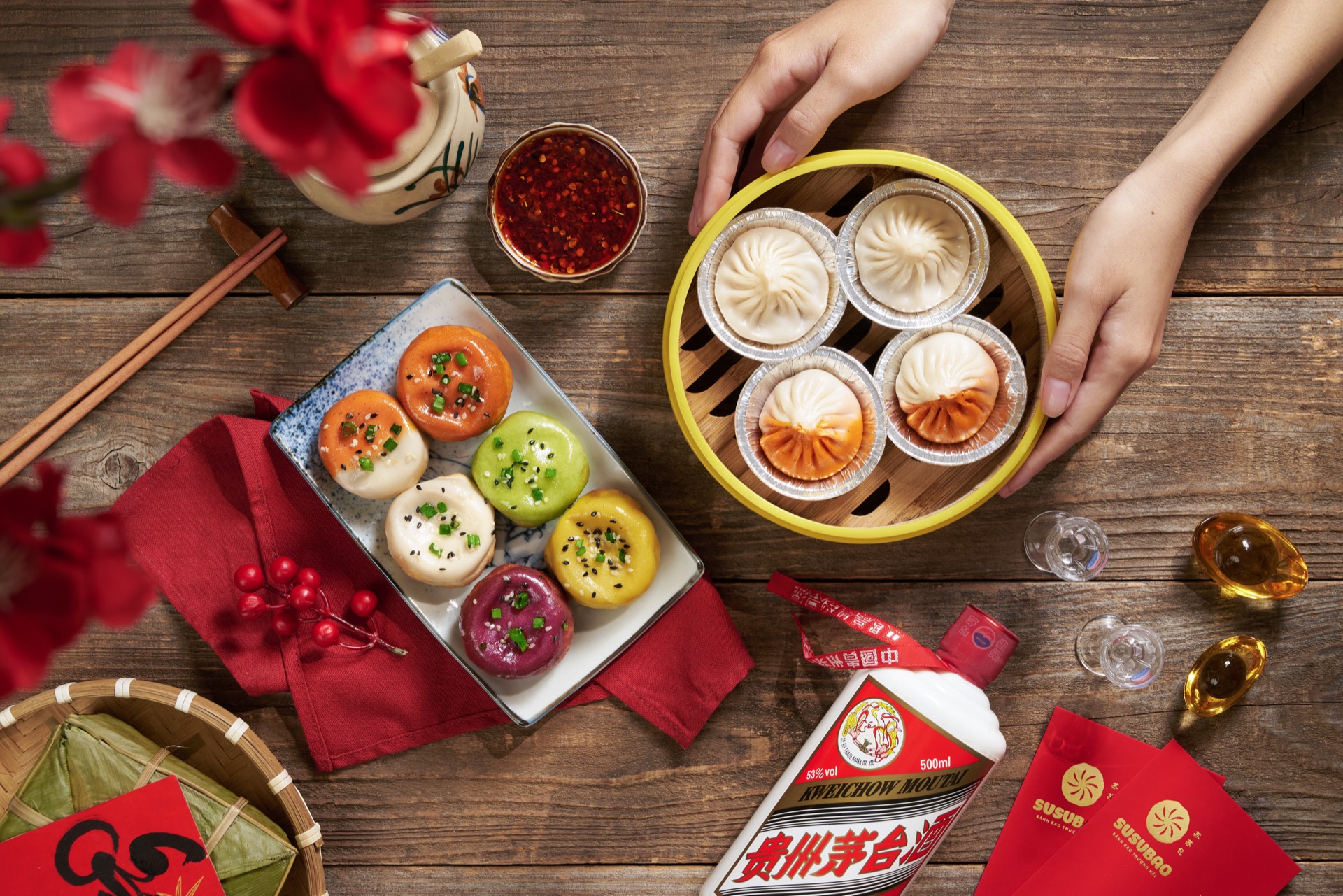
Xiao long bao are steamed in stacked bamboo baskets, arriving delicate and glossy. Sheng jian bao are cooked in a wide, flat pan — crowded together, fried until the bases caramelize, then finished with a splash of water and a lid so the tops steam. They're usually dusted with sesame seeds and chopped scallion. Size-wise, sheng jian bao tend to be a bit bigger and rounder, thanks to that puffy dough, while xiao long bao stay small, pleated, and dainty with their signature twisted top. It's also worth noting how they're served: xiao long bao usually arrive four to a basket and are meant to be eaten the moment they land, while sheng jian bao come off the pan in a batch, best enjoyed hot while the base is still shatteringly crisp.
Side-by-side comparison
| Xiao Long Bao | Sheng Jian Bao | |
|---|---|---|
| Cooking method | Steamed in bamboo baskets | Pan-fried, then steam-finished |
| Dough | Thin, unleavened | Leavened, yeasted |
| Skin texture | Thin, soft, translucent | Thick, fluffy top, crispy base |
| Size | Small and delicate | Larger and rounder |
| Soup inside | Yes, generous | Yes, plus juicy filling |
| Origin | Shanghai | Shanghai |
How to eat each one
Both are little parcels of scalding-hot soup, so patience saves your tongue. For xiao long bao, lift it gently by the pleated top (a spoon underneath helps), nibble a small hole in the side, and sip the soup before eating the rest with a little black vinegar and ginger. For sheng jian bao, treat it the same way but mind the crispy bottom — rest it crispy-side up on your spoon, take a careful bite to let the steam escape, then enjoy the contrast of crunchy base, fluffy dough, and rich broth. Here's our golden rule for both: always let it cool for a moment first.
Which should you try first?
If you've never had either, start with xiao long bao. It's the classic, the gentler introduction to the whole soup-dumpling idea, and it lets you appreciate just how much broth can hide in such a thin skin. Once you're hooked, order the sheng jian bao next — that fried, sesame-flecked bottom is the kind of texture people fall in love with and come back for. Honestly? The best move is to order both and taste them together. Side by side, you'll understand Shanghai's dumpling genius in a single, delicious sitting.
Ready to compare them yourself? Read more about our xiao long bao and our sheng jian bao, or browse the full menu to plan your table.