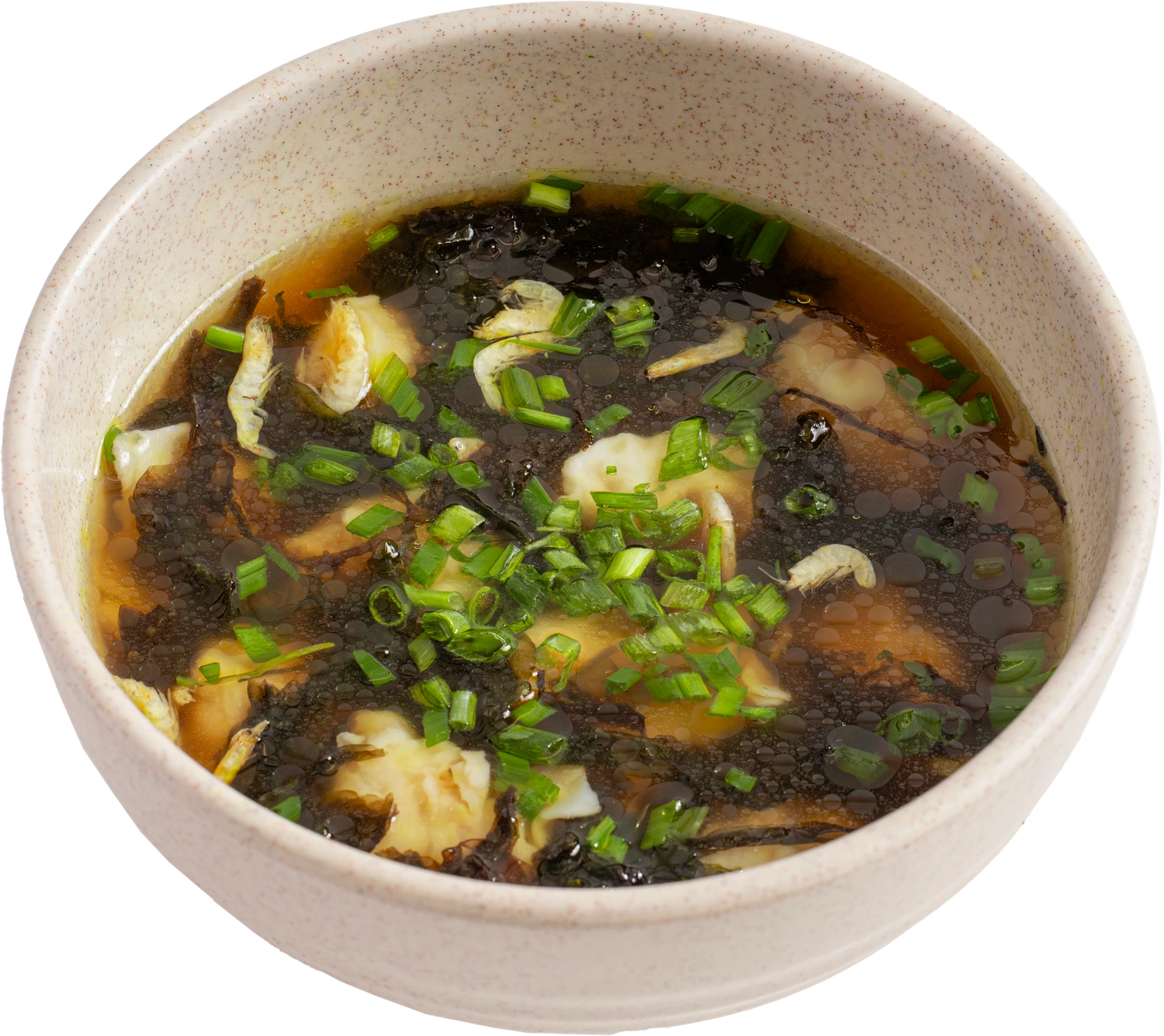
Say "dumpling" and everyone pictures something different, which is exactly why the world of Chinese dumplings can feel a little dizzying at first. There are steamed ones and fried ones, thick chewy skins and skins so thin you can almost see through them, fillings of pork, shrimp, chives and even hot soup. Once you learn the main types of Chinese dumplings, though, a whole menu suddenly makes sense. This guide walks you through the big families, what sets each one apart, and how to tell them at a glance.
The simplest way to read any dumpling is to ask three questions: what is the wrapper made of, what is inside, and how is it cooked? Wheat or starch? Pork or shrimp? Boiled, steamed or pan-fried? Keep those three in mind and you will never be lost in front of a bamboo steamer again.
The northern classics: jiaozi and potstickers
Jiaozi (饺子)
Jiaozi are the dumplings most people meet first: a crescent-shaped parcel of wheat dough pleated shut over a savoury filling, usually pork with cabbage, chives or fennel. In northern China they are the heart of family meals and Lunar New Year, when everyone gathers to fold them together. The wrapper is medium-thick and satisfyingly chewy, and jiaozi can be boiled (shuijiao), steamed (zhengjiao) or pan-fried. They are hearty, homey and endlessly customisable.
Guotie / potstickers (锅贴)
Potstickers are jiaozi's crispy cousin. The same style of filling goes into a wrapper that is often a little longer, then the dumplings are pan-fried on one side until golden, splashed with water and covered to steam through. The result is a bun that is crunchy and lacy on the bottom and soft on top. If you love contrast in texture, this is your dumpling.
The delicate southern steamers
Wonton / huntun (馄饨)
Wontons use a very thin, square wheat-and-egg wrapper folded loosely around a small nugget of pork or shrimp. They are lighter and more slippery than jiaozi, and they shine in soup. A bowl of wonton soup, with the little parcels bobbing in clear broth, is comfort food across southern China. Because the skin is so fine, wontons feel silky rather than chewy.
Har gow (虾饺)
Har gow are the elegant stars of Cantonese dim sum: plump crescent parcels of whole shrimp wrapped in a translucent skin. That crystal-clear wrapper is made from wheat and tapioca starch rather than regular flour, which is what gives it the glassy shimmer and slightly bouncy bite. A good har gow shows at least seven pleats and lets the pink shrimp glow through. Always steamed, never fried.
Siu mai / shumai (烧卖)
Siu mai are the open-topped dumplings you see stacked in every dim sum trolley. A thin yellow wheat wrapper is gathered up around a filling of pork and shrimp, left open at the top and often finished with a dot of crab roe or a single pea. They are steamed, juicy and easy to love, and their little cup shape makes them instantly recognisable.
The soup-filled Shanghai specialities
Xiao long bao (小笼包)
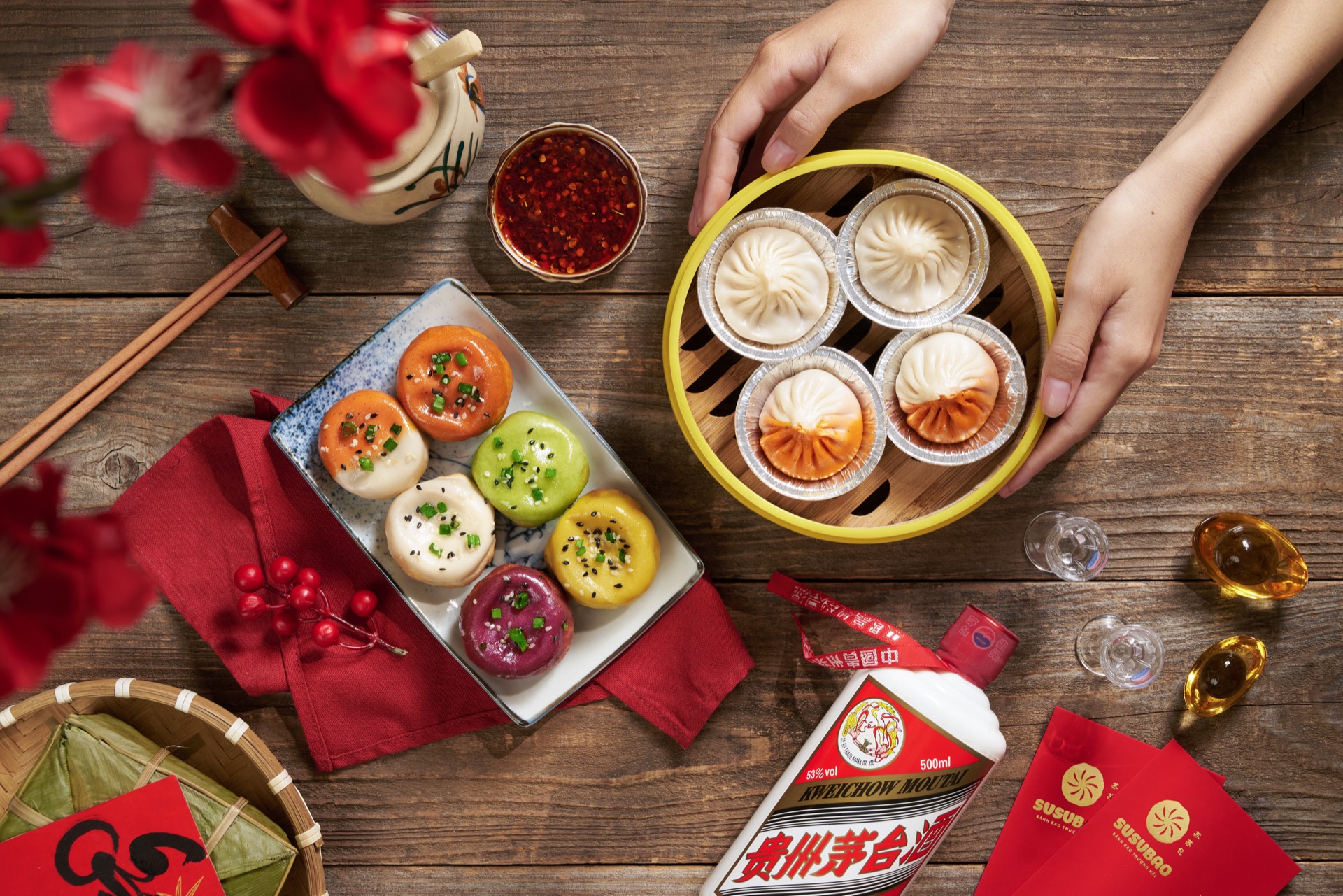
Xiao long bao are the famous soup dumplings of the Shanghai region: thin steamed skins holding both seasoned pork and a mouthful of hot broth. The trick is that the soup starts as a chilled gel folded into the filling, then melts as the dumpling steams. You lift one carefully, nibble a hole, sip the soup, then eat the rest. If you want to go deeper, read our guide to xiao long bao.
Sheng jian bao (生煎包)
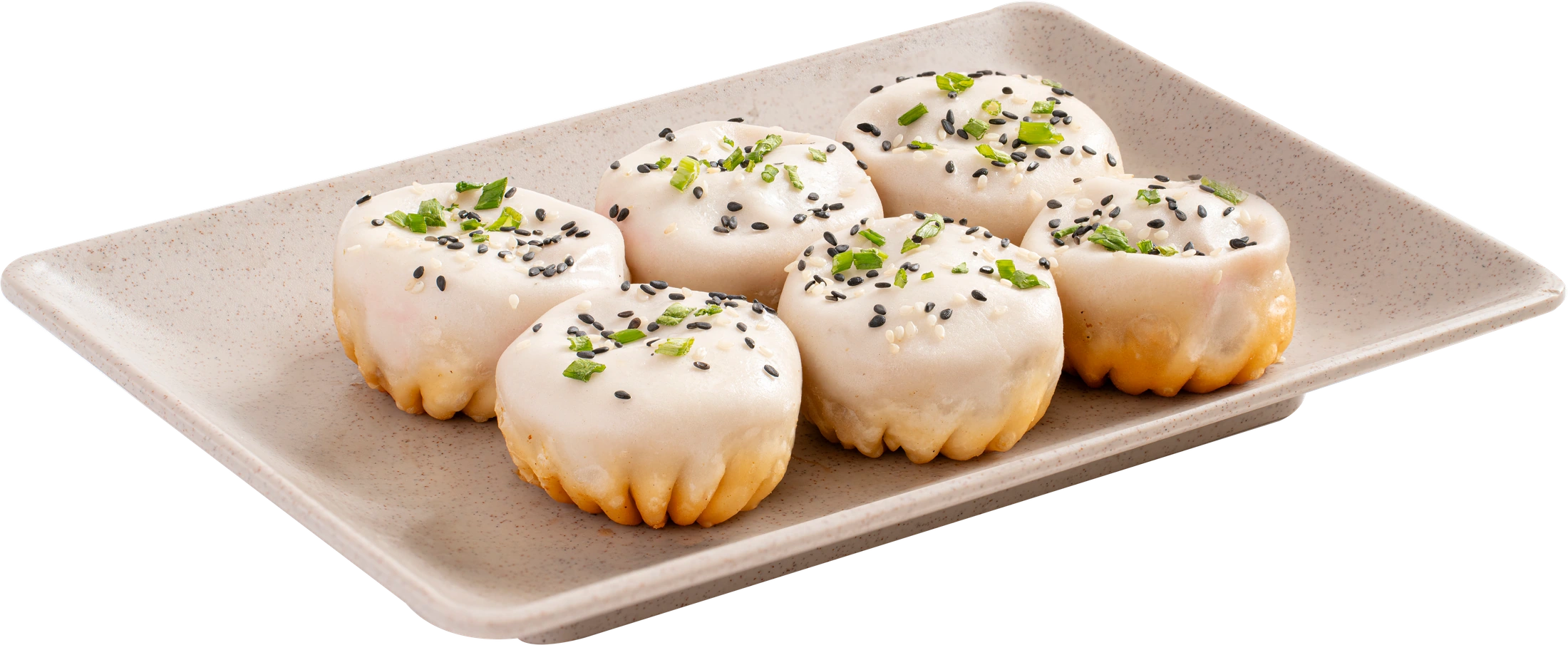
Sheng jian bao take that same soupy idea and pan-fry it. Instead of a thin steamed skin, they use a fluffier half-leavened dough, cooked in a hot pan until the bottoms turn crackling and golden while broth stays sealed inside. They are heartier and crispier than their steamed relatives. Our full explainer on sheng jian bao covers how they are made and how to eat them.
A quick cheat sheet
- Jiaozi: thick wheat skin, pork and veg, boiled, steamed or fried.
- Potstickers: jiaozi filling, pan-fried crispy on one side.
- Wonton: very thin egg-wheat skin, small filling, usually in soup.
- Har gow: translucent starch skin, whole shrimp, always steamed.
- Siu mai: open-topped yellow wrapper, pork and shrimp, steamed.
- Xiao long bao: thin skin, pork plus hot soup, steamed.
- Sheng jian bao: fluffy dough, pork plus soup, pan-fried and crisp.
The best way to understand the differences is simply to taste them side by side. Many of these classics live happily together on a dim sum table, where a single meal can carry you from crystal-skinned har gow to golden-bottomed sheng jian bao. Order a few, compare the skins and fillings, and you will soon have your own favourites.