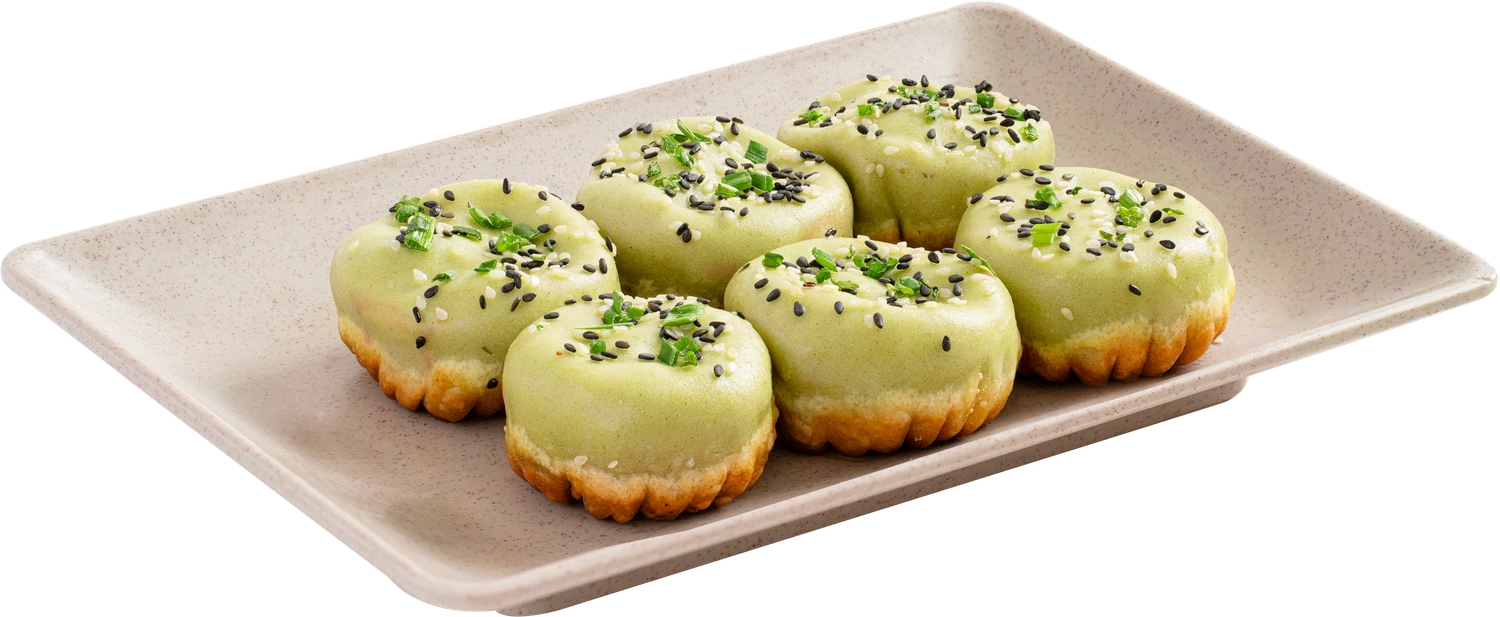
Dim sum is a style of Chinese cooking built around small, shareable dishes, usually served in stacked bamboo steamers and eaten alongside pots of hot tea. The name comes from the Cantonese pronunciation of 点心 (diǎnxīn), which loosely means "to touch the heart" or "a little bit of heart." That captures the spirit perfectly: instead of one large plate, you order a spread of bite-sized dumplings, buns, rolls and puddings, then pass them around the table. If you have ever wondered what is dim sum and felt unsure where to start, the short answer is that it is less a single dish and more a joyful way of eating together.
Where Dim Sum Comes From
Dim sum grew up inside the teahouses of southern China, especially in Guangdong (Canton). Centuries ago, travellers and merchants moving along the Silk Road needed places to rest, and roadside teahouses opened to serve them tea. Drinking tea on an empty stomach was uncomfortable, so cooks began offering small snacks to go with the pot. Over time these snacks became an art form. The tradition of drinking tea and eating these little dishes earned its own name, yum cha, which means "to drink tea" in Cantonese. Today, when people invite you to yum cha, they are really inviting you to a leisurely dim sum meal.
The Dishes You Will See
Part of the fun is the sheer variety. A single table might hold a dozen different steamers, each with something new inside. Some of the most loved classics include:
- Har gow — plump prawn dumplings wrapped in a thin, translucent skin that shows the pink filling inside.
- Siu mai — open-topped pork and prawn dumplings, often finished with a dot of orange roe.
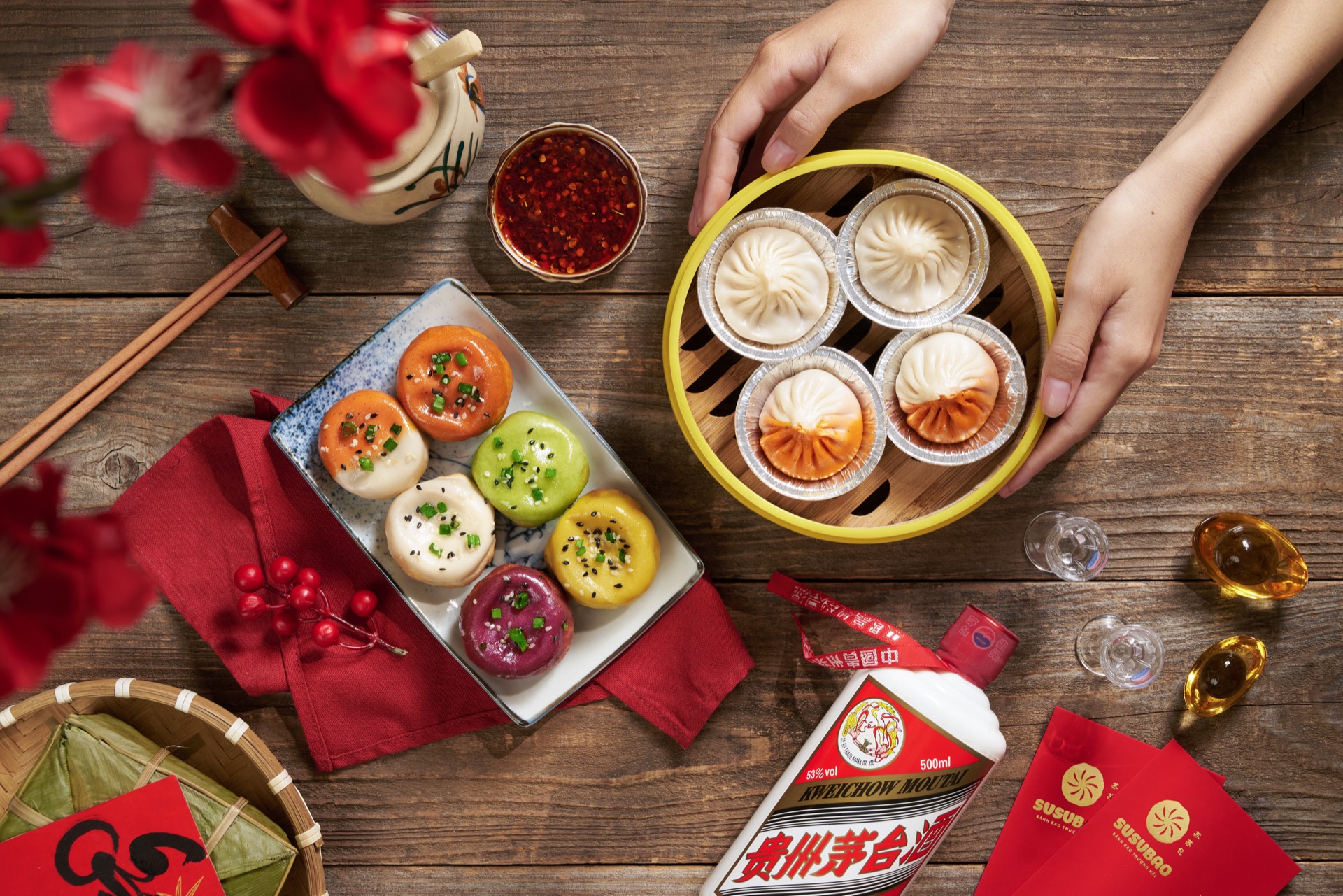
- Xiao long bao — delicate soup dumplings that hold a burst of hot broth inside the filling.
- Steamed buns — soft, pillowy bao filled with barbecue pork, custard or other sweet and savoury surprises.
- Cheung fun — silky rice noodle rolls draped in a lightly sweet soy sauce.
- Egg tarts — a warm, wobbly custard baked in flaky pastry, a favourite way to end the meal.
You do not need to know every name to enjoy yourself. Order a few, share everything, and let curiosity lead you to the next steamer.
How a Dim Sum Meal Works
A dim sum meal is relaxed and social by design. Traditionally, carts loaded with steamers were pushed between the tables, and diners simply pointed at whatever looked good. Many restaurants now use a paper menu you tick with a pencil instead, but the rhythm is the same: dishes arrive a few at a time, hot and fresh, so the meal unfolds slowly. Everything sits in the middle of the table for everyone to share, and the tea keeps flowing throughout. A quiet piece of etiquette to know: when someone refills your cup, tap two fingers gently on the table to say thank you. Dim sum is usually enjoyed in the morning or at midday, which is why so many families treat it as the perfect weekend brunch.
Shanghai Dim Sum vs Cantonese Dim Sum
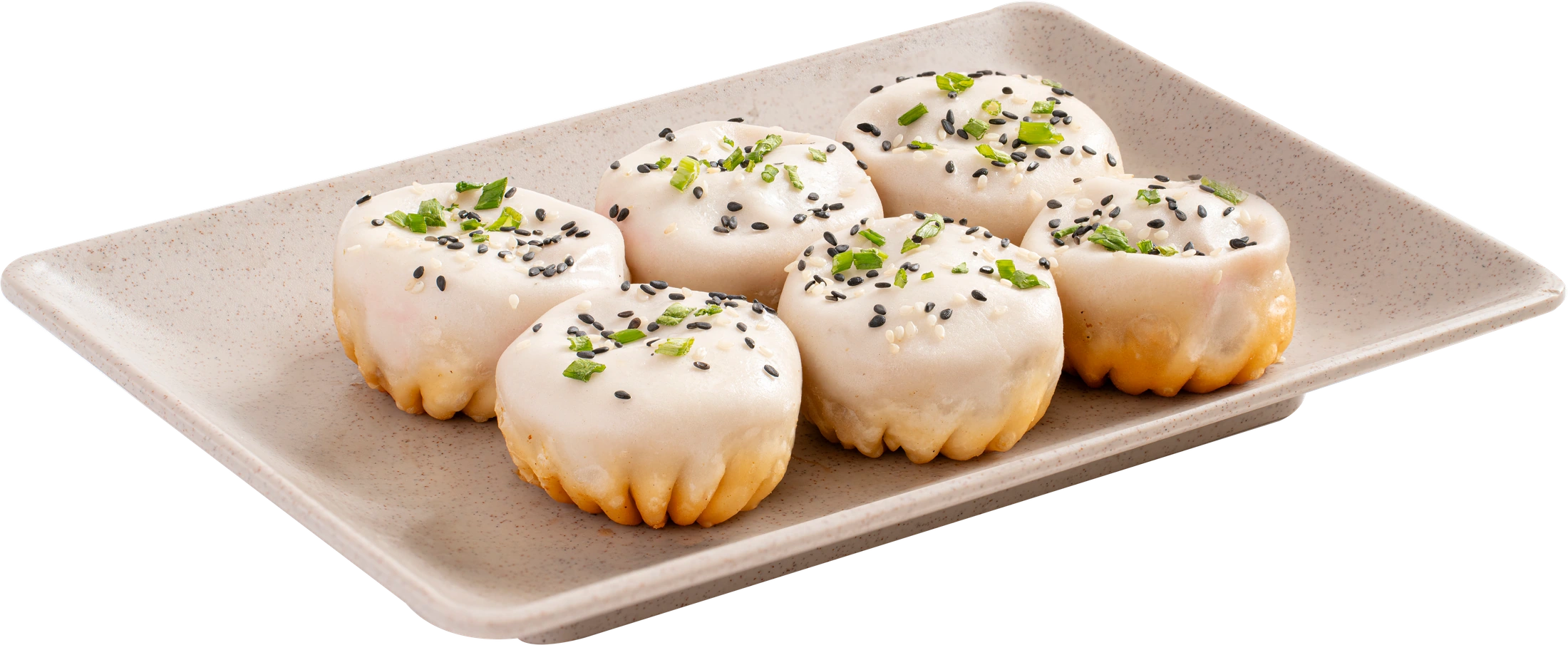
While Cantonese teahouses shaped the classic dim sum most people picture, other regions of China developed their own small-plate traditions. Shanghai-style cooking, from eastern China, is famous for its dumplings and buns rather than the wide cart-service spread. The star is xiao long bao, the soup dumpling, along with pan-fried sheng jian bao whose bottoms turn crisp and golden in the pan. Shanghai flavours often lean a touch richer and slightly sweeter, with soy and rice wine playing a bigger role. Cantonese dim sum, by contrast, celebrates lightness and freshness, with steaming as the favoured method and a huge range of dishes in one sitting. Both belong to the same big family of small, heartfelt dishes, so trying them side by side is a delicious way to taste the difference.
At SuSuBao, our roots are Shanghai, and everything is hand-made fresh each day. Whether you are chasing that first burst of soup from a xiao long bao or lining up a table of steamers to share, dim sum rewards the curious. The best way to understand it is simply to sit down, pour the tea, and start pointing. Ready to plan a meal? Explore our dim sum guide, see where to find the best dim sum in Ho Chi Minh City, or browse the full menu to start dreaming up your order.